

In a recent New York Times article on design trends for 2026, writer Misty White Sidell explores how interiors are moving toward homes that reflect individuality, refuge, and personal meaning. The piece highlights a growing interest in craft, layered spaces, and objects that feel intentional rather than trend-driven.
We’re grateful for this kind of attention. For small galleries, artists, and makers, it matters when major publications make space for conversations about living with art and about homes shaped by feeling rather than a perceived vision of what ought to be.
From our perspective, what’s being described as a “new” shift has long been a way of life for many people. Homes built around interests, collections, passions, and quirks - that have been assembled slowly over time - tend to feel more layered, more personal, and ultimately more alive. These spaces don’t aim to perform; they respond to who someone is and how they actually live.
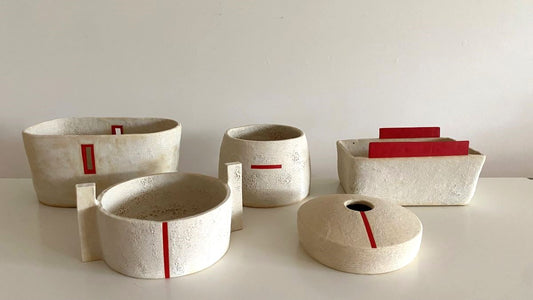
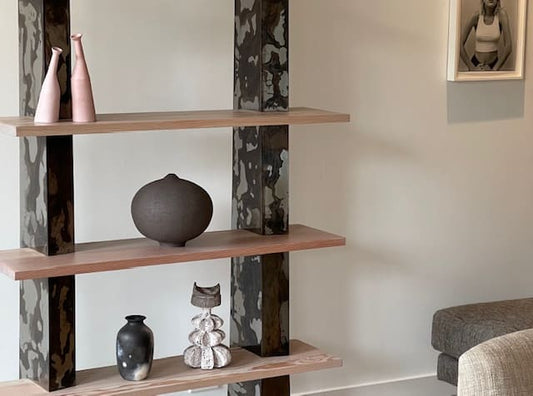
Living with art or handmade work has never been about trends. It’s about presence. Materials, form, weight, and surface contribute to the quiet ways objects shape daily experience. They engage us differently - perhaps conjuring a memory, connecting us to a person who created it, or the experience of how we collected it. These are pieces chosen not to complete a look, but to add to the ongoing story of a life or a space.
As uncertainty continues to shape the wider world, the home increasingly functions as a place of refuge. In that context, the objects we bring into our spaces carry real emotional weight. Handmade sculpture, furniture and lighting made by artists hold evidence of care, process, and intention. They ask for attention, and over time, they give something back.
This is why we participate in IDS Toronto.
Within a design fair context, it’s important to ensure that handmade, artist-led work remains visible and accessible - not as a counterpoint to manufactured design, but as an essential part of the conversation. At a moment when many mass-produced objects are designed to look handmade without the material understanding or labour behind them, the distinction matters.
The value of handmade work isn’t aesthetic alone. It’s embedded in how something is made, why it’s made, and the relationship it creates between maker, object, and home.
We're returning to IDS to support interiors that reflect the people who inhabit them - spaces shaped by curiosity, attachment, and lived experience, not by the moment they were designed in.
We look forward to seeing you at the show. Details are here.